

Extractor Cooker Hood
FollowOverview
-
Sectors Human Resources
-
Posted Jobs 0
Company Description
10 Healthy Extractor Hoods Habits
The Essential Guide to Extractor Hoods: Understanding, Choosing, and Maintaining
In kitchens all over the world, extractor hoods hold an important role. Not just do they add a touch of design to the culinary space, however they also guarantee that cooking smells, smoke, and grease are efficiently managed. This thorough guide looks into the different elements of extractor hoods, including their types, benefits, and upkeep suggestions, to assist anybody aiming to enhance their kitchen environment.
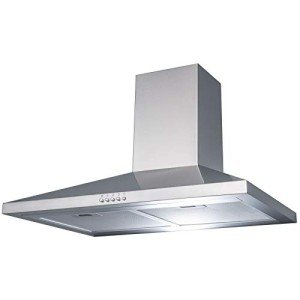
Comprehending Extractor Hoods
Extractor hoods, likewise known as range hoods or kitchen hoods, are appliances set up above cooking surfaces. Their primary function is to ventilate and eliminate air-borne grease, smoke, fumes, and odors produced during cooking.
Kinds Of Extractor Hoods
Extractor hoods can be found in different styles and performances. Comprehending the types is essential for making an educated option. Here’s a summary:
| Type | Description | Ideal For |
|---|---|---|
| Wall-Mounted | Mounted on the wall, generally above the stove. | Standard home kitchens. |
| Under-Cabinet | Fits beneath kitchen cabinets, conserving overhead area. | Apartment or condos or small spaces. |
| Island | Mounted above kitchen islands and offers a streamlined style. | Open idea kitchens. |
| Downdraft | Retracts into the countertop when not in use. | Contemporary kitchens. |
| Professional | Durable hoods for commercial-grade cooking. | Expert kitchens. |
How They Work
Extractor hoods operate by drawing in the air from the cooking area, filtering it through a series of filters, and after that releasing either tidy air back into the kitchen or venting it outside. The choice between ducted and ductless systems affects how the hood functions:
- Ducted Hoods: Vent air outside, making them more effective in removing heat and odorous particles.
- Ductless Hoods: Use filters to clean the air Ovens And Hobs recycle it back into the kitchen. They are much easier to install however might require more frequent filter replacement.
Benefits of Extractor Hoods
Purchasing an extractor hood provides many benefits that extend beyond aesthetic improvement. Here are key advantages:
- Improved Air Quality: Removes smoke, steam, and smells, ensuring cleaner air in the kitchen.
- Grease Reduction: Captures grease and moisture, decreasing buildup on cabinets and walls.
- Boosted Comfort: Keeps the kitchen cooler by expelling heat created throughout cooking.
- Increased Safety: Reduces the danger of fire dangers from grease build-up.
- Stylish Design: Available in different styles, boosting the overall kitchen decor.
Selecting the Right Extractor Hood
Choosing the ideal extractor hood may seem daunting provided the variety of choices offered. Here are some key factors to think about:
1. Kitchen Size
The size of the kitchen will figure out the hood’s measurements and power. Larger kitchens normally require more effective hoods to guarantee reliable ventilation.
2. Cooking Style
Consider cooking routines. If regular frying or grilling is part of the regular, a stronger extractor hood with a greater extraction rate is recommended.
3. Aesthetic Preferences
Extractor hoods can be a declaration piece in the kitchen. Select a style that complements the general design.
4. Installation Type
Choose whether a ducted or ductless hood fits much better with your kitchen design and ventilation options.
5. Noise Levels
Sound levels differ by model. Go with quieter hoods if noise is a substantial issue during cooking.
6. Functions and Controls
Modern hoods come with different functions, consisting of adjustable fan speeds, lighting, and clever connection. Assess these based on personal requirements.
Breakdown of Features
| Feature | Description |
|---|---|
| Fan Speed Settings | Several speed choices for various cooking needs. |
| Lighting | Integrated lighting to illuminate the cooking area. |
| Filter Type | Alternatives include metal, charcoal, or paper, impacting upkeep needs. |
| Smart Technology | Wi-Fi connection for remote operation and tracking. |
FAQs About Extractor Hoods
Q1: How typically need to extractor hood filters be cleaned up or replaced?A1: It depends upon usage, however normally, grease filters must be cleaned every month and charcoal filters changed every 3 to 6 months.
Q2: Can I install an extractor hood myself?A2: While some designs
are designed for easy DIY setup, it’s frequently best to seek advice from an expert for optimal results and security. Q3: How do I identify the best size hood for
my stove?A3: The extractor hood must be at least as large as the cooking surface area and
preferably extends 3 inches beyond either side. Q4: What is the average expense of an extractor hood?A4: Prices vary extensively depending on design and features however average in between ₤ 50 to ₤ 1,500 or more for high-end designs. Maintenance Tips for Extractor Hoods Proper maintenance is crucial for the longevity and performance of an extractor hood.
Here are some best practices: Regular Cleaning
: Clean the surface area and filters regularly. Metal filters can typically be washed in a dishwasher. Examine Ducts: Inspect ducts for obstructions
Whether for visual appeal, enhanced air quality, or general safety, purchasing a quality extractor hood undoubtedly pays off in the long run.