

Hnycareershub
FollowOverview
-
Sectors Youth
-
Posted Jobs 0
Company Description
NHS: A Universal Embrace

Among the organized chaos of medical professionals in Birmingham, a young man named James Stokes carries himself with the measured poise of someone who has found his place. His polished footwear move with deliberate precision as he exchanges pleasantries with colleagues—some by name, others with the familiar currency of a “how are you.”
James displays his credentials not merely as an employee badge but as a testament of belonging. It rests against a neatly presented outfit that offers no clue of the tumultuous journey that preceded his arrival.
What distinguishes James from many of his colleagues is not obvious to the casual observer. His bearing gives away nothing of the fact that he was among the first participants of the NHS Universal Family Programme—an effort created purposefully for young people who have experienced life in local authority care.
“It felt like the NHS was putting its arm around me,” James reflects, his voice measured but carrying undertones of feeling. His statement encapsulates the core of a programme that aims to transform how the massive healthcare system views care leavers—those often overlooked young people aged 16-25 who have graduated out of the care system.
The numbers tell a troubling story. Care leavers commonly experience poorer mental health outcomes, economic uncertainty, accommodation difficulties, and reduced scholarly attainment compared to their peers. Underlying these clinical numbers are individual journeys of young people who have traversed a system that, despite genuine attempts, regularly misses the mark in delivering the nurturing environment that shapes most young lives.
The NHS Universal Family Programme, launched in January 2023 following NHS England’s promise to the Care Leaver Covenant, embodies a substantial transformation in institutional thinking. At its heart, it recognizes that the whole state and civil society should function as a “collective parent” for those who haven’t known the security of a conventional home.
Ten pathfinder integrated care boards across England have blazed the trail, establishing structures that rethink how the NHS—one of Europe’s largest employers—can create pathways to care leavers.
The Programme is thorough in its methodology, initiating with detailed evaluations of existing procedures, forming oversight mechanisms, and securing senior buy-in. It recognizes that meaningful participation requires more than lofty goals—it demands concrete steps.
In NHS Birmingham and Solihull ICB, where James found his footing, they’ve developed a reliable information exchange with representatives who can provide assistance and counsel on wellbeing, HR matters, recruitment, and inclusivity efforts.
The standard NHS recruitment process—formal and possibly overwhelming—has been thoughtfully adapted. Job advertisements now focus on personal qualities rather than long lists of credentials. Applications have been reconsidered to accommodate the particular difficulties care leavers might encounter—from not having work-related contacts to having limited internet access.
Perhaps most significantly, the Programme recognizes that starting a job can create specific difficulties for care leavers who may be handling self-sufficiency without the safety net of familial aid. Issues like commuting fees, proper ID, and financial services—considered standard by many—can become significant barriers.
The elegance of the Programme lies in its attention to detail—from outlining compensation information to helping with commuting costs until that essential first payday. Even ostensibly trivial elements like coffee breaks and workplace conduct are thoughtfully covered.
For James, whose career trajectory has “revolutionized” his life, the Programme delivered more than employment. It offered him a feeling of connection—that ineffable quality that emerges when someone feels valued not despite their background but because their distinct perspective enriches the institution.
“Working for the NHS isn’t just about doctors and nurses,” James notes, his eyes reflecting the subtle satisfaction of someone who has discovered belonging. “It’s about a collective of different jobs and roles, a group of people who genuinely care.”
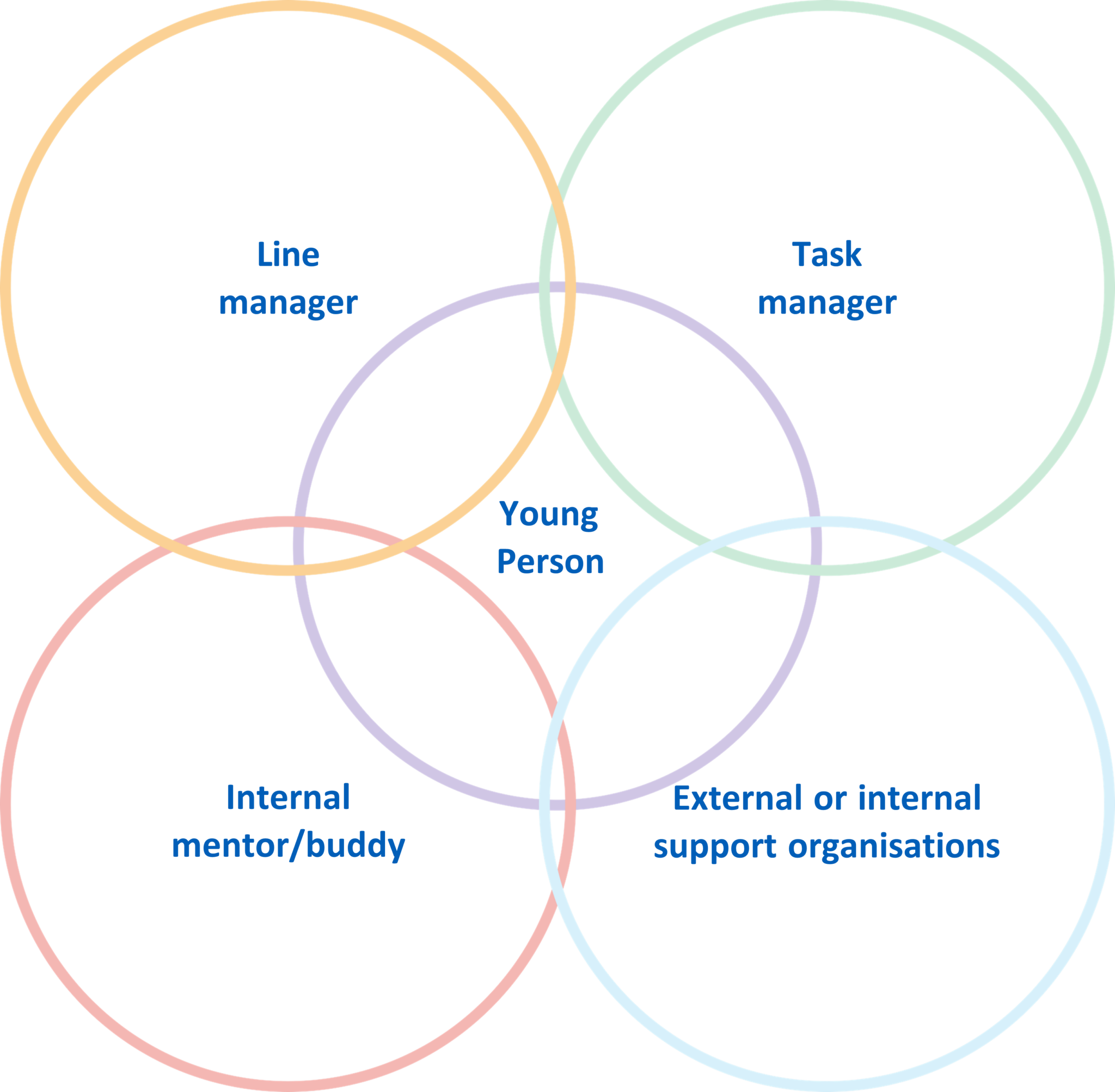
The NHS Universal Family Programme represents more than an employment initiative. It stands as a bold declaration that systems can change to include those who have known different challenges. In doing so, they not only change personal trajectories but enhance their operations through the distinct viewpoints that care leavers provide.
As James navigates his workplace, his participation subtly proves that with the right help, care leavers can succeed in environments once considered beyond reach. The support that the NHS has provided through this Programme signifies not charity but appreciation of overlooked talent and the fundamental reality that all people merit a family that supports their growth.